 By
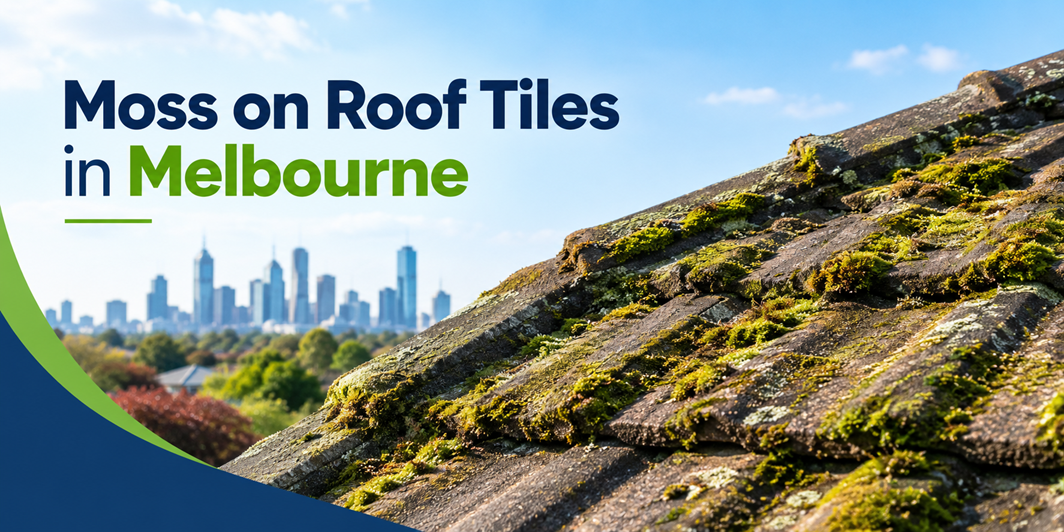
By Moss grows on Melbourne roof tiles because of shade, moisture, and the cooler, south-facing sections of a roof that never quite dry out. Left alone, it traps water under the tiles and speeds up cracking and leaks. The safe fix is a low-pressure soft wash, not a high-pressure blast, which can crack terracotta tiles or strip the protective coating off Colorbond.
Why Moss Grows on Melbourne Roofs
Moss needs moisture and shade to take hold, and Melbourne gives it plenty of both. A few things make it worse:
- Cold, wet winters that keep roofs damp for long stretches
- Shade from trees or a neighbouring two-storey house, which slows drying
- South-facing pitches, which get the least direct sun
- Older tile roofs, where the laps between tiles give moss somewhere to sit and spread
Once it’s established, moss tends to come back faster each year unless it’s properly removed.
Moss vs Lichen vs Algae
These three get lumped together, but they’re not the same thing.
| Growth | Appearance | Where It Grows | Removal Difficulty |
| Algae | Dark streaks running down the roof | Areas where water runs most often | Easy |
| Moss | Soft, green clusters | Shaded spots and gaps between tiles | Moderate |
| Lichen | Grey or orange, crusty patches | Bonded directly onto the tile surface | Hard — needs treatment, not scrubbing |
Is Moss Actually Damaging Your Roof?
It’s more than just an eyesore. Moss holds water against the tile long after the rain has stopped, which keeps the surface wet for days at a time. Over the years, that constant moisture:
- Works into small cracks and gaps, loosening tiles
- Breaks down the mortar around ridge capping
- Leads to leaks that are far more expensive to fix than the roof clean would have been
It’s one of those problems that’s easy to ignore because it develops slowly and isn’t obvious from the ground.
Terracotta vs Concrete vs Colorbond: Different Risks
The right cleaning method depends heavily on what your roof is made of.
| Roof Type | Main Risk | Why It Matters |
| Terracotta | Cracks under high pressure or foot traffic | Common on 1930s–1960s homes; damage may not show until the next heavy rain |
| Concrete | Protective coating strips under high pressure | Bare tile is left exposed, so moss returns faster |
| Colorbond | Paint finish can be damaged | Grows less moss (no tile laps) but still gets algae streaks and grime |
Knowing your roof type before choosing a cleaning method matters more than most homeowners realise.
Why High-Pressure Cleaning Can Make It Worse
It might seem like more pressure means a better clean, but that’s not how it works on a roof.
- On concrete tiles, high pressure strips the protective coating along with the moss
- On terracotta, the same pressure can crack tiles outright, sometimes without it being visible until later
- Moss usually comes back faster afterward, because the surface has lost whatever protection it had left
The Safe Removal Process
A proper roof clean follows a set order:
- Inspect – check the tile type, extent of moss, and any obvious damage
- Pre-treat – apply a treatment to break down moss and lichen before physical removal, so the roots don’t just grow back
- Low-pressure rinse – clear the loosened growth without risking the tiles or coating
- Gutter check – clear anything washed down during the clean so it doesn’t block the flow
How Often Should Melbourne Roofs Be Cleaned?
Most homes do well with a clean every two to three years. Properties surrounded by trees, or sitting in heavily shaded streets, often need it more often since those conditions speed up regrowth. Regular cleaning also makes each job easier and cheaper over time, since moss that’s caught early hasn’t had the chance to dig into the tile surface yet.
When to Call a Professional
DIY roof cleaning carries real risk, and not just to the roof:
- Working at height on a sloped, often wet surface is dangerous without the right equipment
- Older terracotta tiles are easy to crack underfoot, and the damage isn’t always obvious until later
- Steep pitches and two-storey roofs raise the risk of a fall significantly
If any of these apply to your roof, it’s worth getting a professional in rather than risking a fall or an expensive tile replacement.
FAQs
Can I remove roof moss myself?
It’s possible on a low, easily accessible roof, but the risk of a fall or a cracked tile is high without the right gear and technique.
Does moss removal void my roof warranty?
It depends on the manufacturer and cleaning method used. High-pressure cleaning is more likely to cause issues than a proper soft wash.
Will cleaning stop moss coming back?
Cleaning removes existing moss, and a treatment can slow down regrowth, but ongoing shade and moisture mean it will likely return eventually. Regular cleaning keeps it manageable.
Get Your Roof Assessed
If moss or lichen has built up on your roof, our team can assess the tile type and clean it safely using the right method for your home. Check out our Roof Cleaning service, or get in touch for a free quote. If your gutters need attention too, our Gutter Cleaning service covers that in the same visit.